





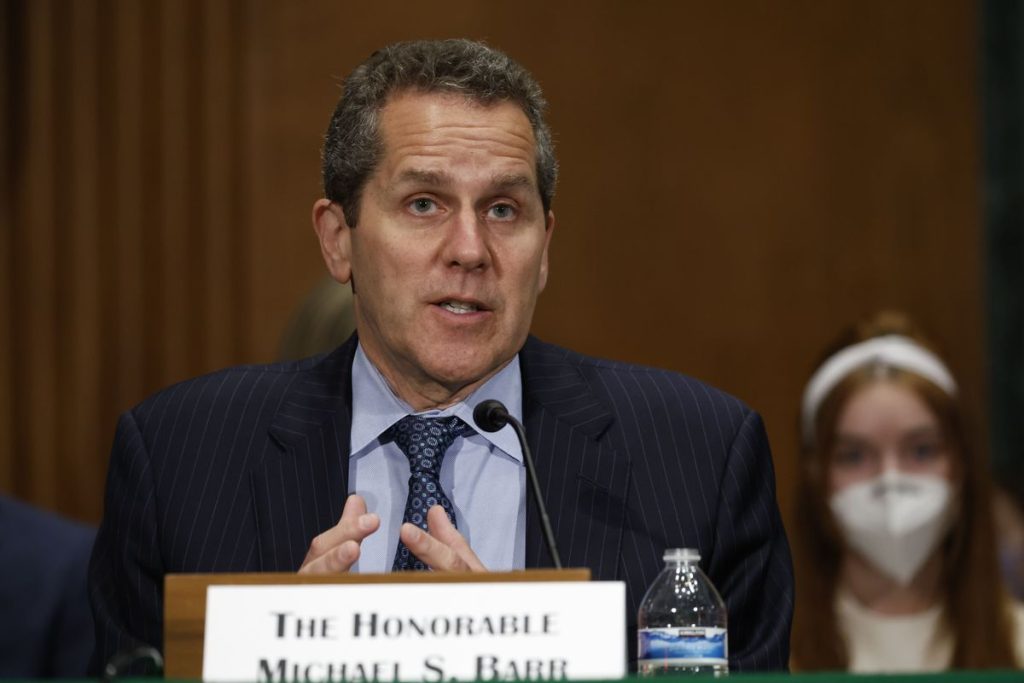
Federal Reserve Board member Michael Barr made noteworthy statements regarding the inflation outlook, interest rate policy, and the potential impact of artificial intelligence on the US economy. Barr stated that the likelihood of inflation returning to the Fed’s 2% target in a timely manner is not yet clear, and the risk of failing to meet the inflation target has increased.
Barr stated that inflation remains a key issue for the Fed, adding that the central bank has been “forced to deviate” from its 2% target. While noting that risks to the inflation target have increased, risks to the labor market have decreased, Barr said that a readjustment of monetary policy is necessary.
According to the FED official, the baseline scenario indicates that further adjustments to monetary policy may be necessary in the coming period.
Referring to the current state of the US economy, Barr stated that the labor market remains strong, supported by corporate investment and consumer spending. Barr said he expects the US economy, which grew by approximately 2 percent in the first half of the year, to show a “slight recovery” in the second half.
“Artificial Intelligence Could Boost the US Economy”
Barr’s remarks also focused significantly on the impact of artificial intelligence on the economy. He stated that investments in AI infrastructure and the resulting increase in demand have a measurable effect on prices, and that the technology is expected to provide strong support to US economic activity over the next year or so.
However, Barr stated that it may take time for AI to translate into widespread productivity increases, adding that while it is a reasonable expectation that AI will increase productivity in the medium term, it is difficult to predict through which channels and when this will happen.
Barr stated that he was optimistic about the long-term impact of AI on productivity, but also warned that the technology could cause serious disruptions in the labor market in the short term.
Regarding whether artificial intelligence will have an upward impact on the “neutral interest rate,” which is defined as the equilibrium interest rate in the economy, Barr said it was too early to draw conclusions.
*This is not investment advice.