




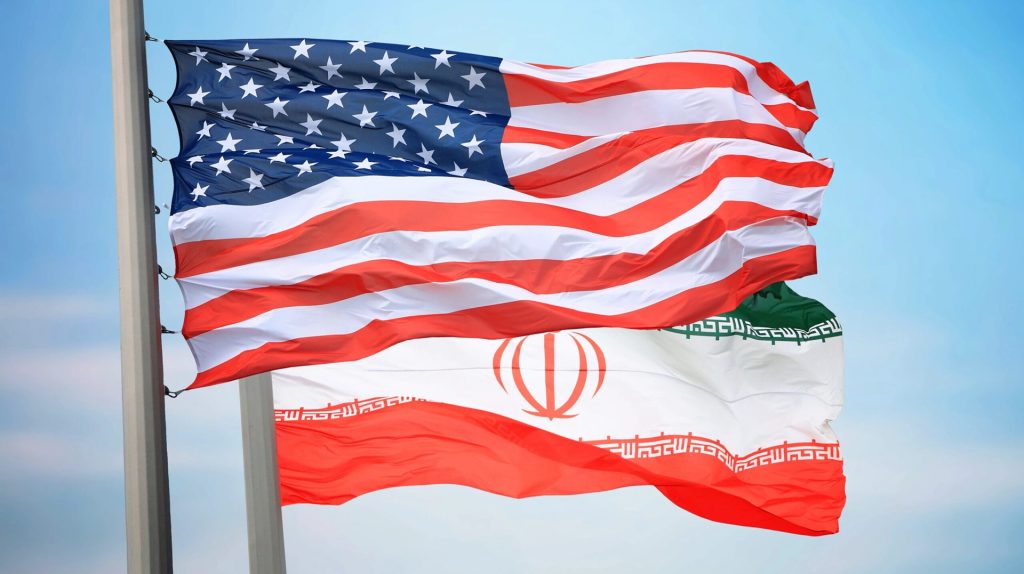
A new formula has emerged in diplomatic talks aimed at ending months of conflict between the US and Iran. According to sources who spoke to Reuters, the parties are considering a phased agreement that would include Iran reopening the Strait of Hormuz to maritime traffic and the US lifting its economic blockade on Iran.
In the talks taking place in New York, the Strait of Hormuz has become one of the most important bargaining chips. Iran wants the US blockade, which puts serious pressure on its economy, lifted, while Washington demands that ships be able to move freely again in the Strait of Hormuz, one of the most critical transit points for global energy trade.
According to a senior Iranian official who spoke to Reuters, one of the most realistic ways to overcome the current impasse may be to resolve the crisis in stages. In this context, the first stage would involve the US lifting its economic blockade and Iran reopening the Strait of Hormuz. Iran’s access to some of its assets frozen abroad is also being considered as a potential element of the agreement.
However, the biggest obstacle to the talks is the disagreement over which side will make the first move. According to sources, neither Washington nor Tehran wants to relinquish its key bargaining chip without a concrete step from the other side. This situation is causing the negotiations to remain on fragile ground.
Trust between the parties is also a major obstacle to reaching an agreement. Following the collapse of a previously reached provisional understanding in July, it is considered critical to secure assurances that any concessions made this time will be permanent and enforceable.
US President Donald Trump had previously stated that he believed an agreement with Iran could be reached after the November 3rd midterm congressional elections. However, diplomatic sources point out that both sides have specific economic and political reasons for wanting to reach an agreement before the elections.
The reopening of the Strait of Hormuz is also of great importance for global energy markets. While traffic in the strait remains well below pre-war levels, reduced tensions in the region could alleviate concerns about oil supply and ease pressure on energy prices.
According to Reuters, the increasing economic cost of a protracted conflict on the Iranian side is making Tehran more open to a phased solution. In contrast, Washington considers the restoration of free maritime access through the Strait of Hormuz a fundamental condition.
No final agreement has been reached in the negotiations yet.
*This is not investment advice.