





The Fed kept interest rates unchanged at its January policy meeting, as expected.
However, the decision drew attention because two Fed officials voted against the 25 basis point interest rate cut. This decision means the Fed is pausing its easing cycle for the first time since July, after cutting rates three times last year.
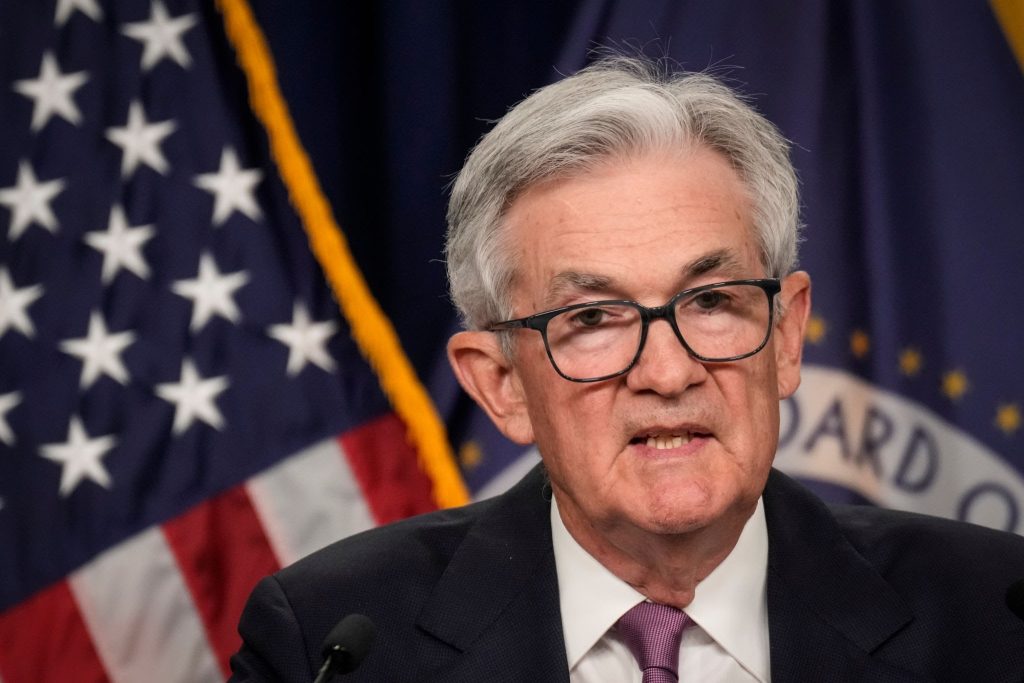
Following the interest rate decision, FED Chairman Jerome Powell is making important statements live on air. You can find the details below, and refresh the page to see the latest details:
- The fundamentals of the US economy are strong.
- The US economy experienced steady growth last year.
- The economy will enter 2026 on solid foundations.
- There are some signs that the unemployment rate is stabilizing.
- Current policies are helping us make progress toward achieving our two main goals.
- Housing sector activity is weak.
- Consumer spending is strong.
- Business investments continue to grow.
- The current policy stance is appropriate.
- The government shutdown likely slowed economic growth in the fourth quarter, but this trend will likely reverse.
- The slowdown in job growth reflects a decrease in the number of employees, despite a significant weakening in labor demand.
- Inflation is running slightly above target. The labor market may be stabilizing after a period of gradual weakening.
- Overall personal consumption expenditures (PCE) inflation is expected to rise by 3% in December.
- High inflation largely reflects the impact of tariffs imposed on goods.
- Long-term inflation expectations are in line with the targets.
- Policy interest rates are within a reasonable range of neutral interest rate forecasts.
- We are in a good position to determine the magnitude and timing of further interest rate adjustments, but policy is not proceeding as planned.
- Decisions will be made separately at each meeting.
- A normalized policy stance will help stabilize the labor market.
- The slowdown in services sector inflation appears to be continuing.
- I joined the Cook case because it could be the most important case in the history of the Fed.
- We are overcoming the data corruption caused by the government shutdown, and data corruption is no longer a concern.
- We will continue to perform our duties objectively and remain committed to serving the American people.
- Signs of stability in the labor market should not be overinterpreted.
- I haven’t yet formulated any plans for after my term as FED chairman ends.
- Data obtained since the last meeting indicate a significant improvement in growth.
- Overall, the economy was stronger in December than anticipated.
- Inflation performance has generally been in line with expectations.
- We are prepared to address the risks associated with our dual mission.
- We will focus on the target variables and let the data guide us.
- Interest rates are at the upper end of the neutral range.
- Given the new data, it is difficult to argue that the policy has had a clear restrictive effect.
- Interest rates may be slightly neutral or slightly tight.
- We have made significant progress on interest rates and are in a good position to observe the economy and let the data speak for itself.
- The decision to leave interest rates unchanged today received broad support.
- Members without voting rights also largely supported the decision.
- There is still some tension between employment and inflation, but this tension has eased somewhat.
- I have no intention of setting criteria for when interest rates should be lowered again.
- The risks for both sides in the dual mandate have diminished somewhat, and the committee has differing views on how to assess these risks.
- Tariffs will likely be a one-off price increase, and inflation exceeding expectations is largely driven by tariffs, not demand.
- Excluding the effects of goods tariffs, core personal consumption expenditure is slightly above 2%, which is a healthy development in terms of inflation.
- The impact of goods tariffs is expected to peak this year and then decline.
- If we see this (tariff inflation peaking and then falling), it would signal that we can ease policy.
- Short-term inflation expectations have completely declined, which is very reassuring.
- Long-term inflation expectations reflect confidence that inflation will return to 2%.
- If the economy deviates from its target, we are always ready to take action.
- It’s difficult to assess which risk is greater, inflation or employment; I believe both are decreasing.
- We have not seen any data indicating that investors are taking hedging measures against dollar risks.
- Nobody expects an interest rate hike at the next meeting.
- If the labor market is weak, interest rates will need to be lowered; if the labor market is strong, there will be no need to lower interest rates.
- Labor demand fell slightly more than supply.
- Customs duty inflation is expected to decrease by mid-2026.
- Geopolitical risks are currently concentrated mainly in the energy and oil sectors, but a very significant impact has not yet been seen.
- Too many lessons should be gleaned from the rise in gold prices.
- An argument could be made that “we have lost our credibility,” but that is not the case.
- We are not drawing a strong macro message from precious metals, but we are closely monitoring these markets.
On January 11, Powell announced that a federal investigation had been launched against him, arguing that the process was being used as a “pressure tactic” to force the Fed to cut interest rates in the direction the Chairman wanted.
At the January meeting, Fed governors Stephen Miran and Christopher Waller dissented, voting in favor of a 25 basis point interest rate cut. Waller is reportedly on Trump’s shortlist to succeed Powell as Fed chairman after his term ends in May.
*This is not investment advice.