




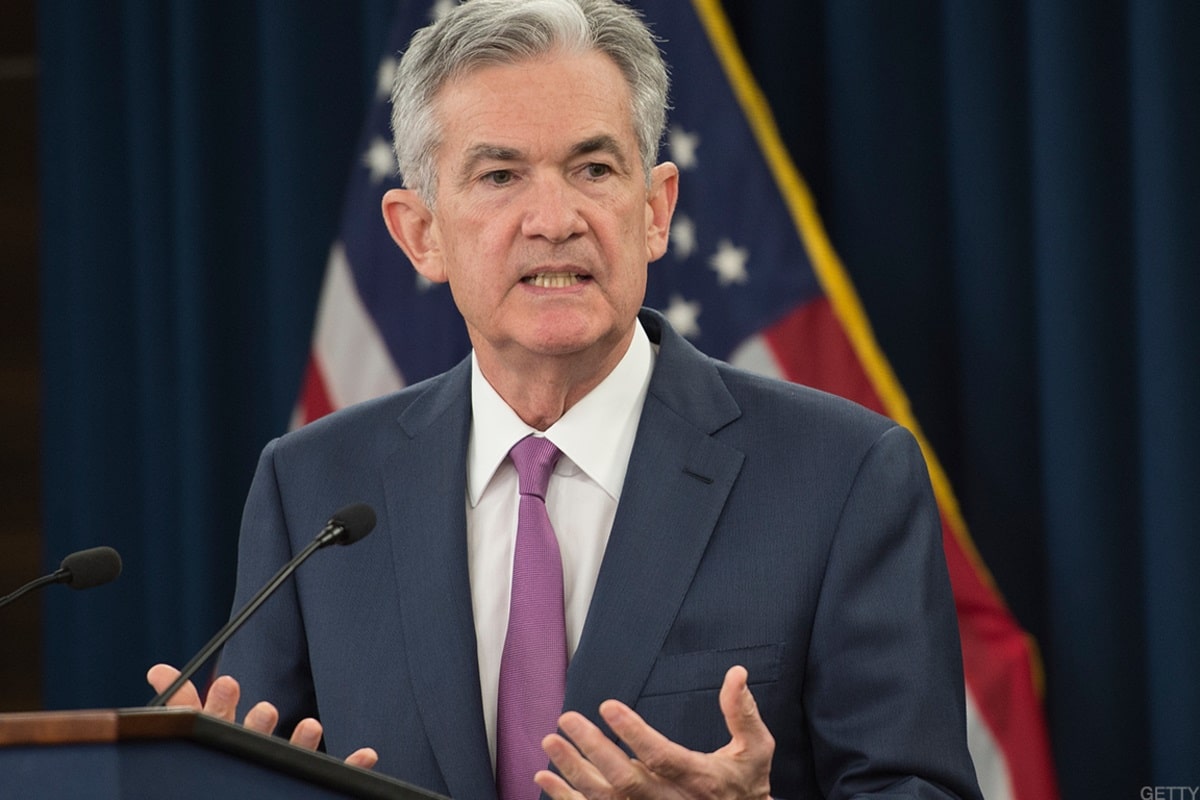
Federal Reserve Chairman Jerome Powell is making crucial statements at a press conference following the 25 basis point interest rate hike.
Here are all the details from Powell's statements:
- Current data indicates that the outlook has not changed.
- The labor market appears to be gradually cooling down.
- Inflation levels remain somewhat high.
- Consumer spending is strong and businesses are increasing their fixed investment.
- The impact of the lockdown should be offset by increased growth as the economy reopens in the coming quarter.
- Layoffs and hiring remain at low levels.
- We have raised our GDP growth forecast for 2026.
- Labor demand has slowed significantly.
- Very little inflation data has been released since the October meeting.
- Inflation figures appear higher than they actually are due to rising commodity inflation.
- Long-term inflation expectations remain in line with our target.
- Inflation risks are on the upside.
- There is no risk-free path in politics.
- The balance of risks has shifted in recent months.
- The recent interest rate cuts will help stabilize the labor market.
- Interest rates are within the estimated range, at a reasonable, neutral level.
- The FED will make its decisions on a meeting-by-meeting basis.
- The committee believes that the reserve balance has fallen to an adequate level.
- The purchase of treasury bonds is solely for reserve management purposes.
- The scale of bond purchases will remain high in the coming months.
- The Fed is in a good position to decide whether to adjust policy interest rates.
- The upward revision of some growth forecasts for 2026 reflects the end of the government shutdown.
- The baseline outlook for next year is strong economic growth.
- From now until the Fed's monetary policy meeting in January, a significant amount of data will be released.
- We can wait and see how the economy develops.
- Everyone at the decision-making table agrees that inflation is too high.
- Everyone agrees that the labor market is weaker and there is more risk.
- Today's decision received widespread support.
- The effects of the interest rate cuts are only just beginning to emerge.
- An interest rate hike is not anyone's base scenario.
- Some people think we should just stand here and wait.
- People expect it to either stay at the current level or be reduced.
- Some people think we need to lower interest rates once more or even further.
- With interest rates remaining within a reasonable neutral range, a sharper decline in employment is not expected.
- The gradual cooling of the labor market justifies today's interest rate cut.
- We believe the reported increase in employment in recent months, perhaps by 60,000 jobs, has been exaggerated.
- We expect 20,000 job losses per month.
- The unemployment rate could increase by a maximum of 0.1 to 0.2 percentage points.
- Inflation has slightly decreased.
- From the current perspective, the peak of inflation could be a few tenths of a percentage point higher or lower than the current level.
- We expect inflation to start falling in the second half of next year.
- If there were no need to worry about the labor market, policy interest rates would be higher.
The Federal Open Market Committee (FOMC) lowered the overnight lending rate to a range of 3.5–3.75 percent, with the decision approved by a 9-3 vote. It is noteworthy that this level of dissenting vote was last seen at the September 2019 meeting.
Disagreements among members became apparent. Stephen Miran took a dovish stance, arguing for a more aggressive 50 basis point cut, while Kansas City Fed President Jeffrey Schmid and Chicago Fed President Austan Goolsbee were hawkish, citing inflation risks and advocating for interest rates to remain unchanged.
Miran's dissenting vote at this meeting marked his third consecutive “no” vote, and his term expires in January. Schmid also recorded his opposition to the decision for the second time. This division within the committee has reignited long-standing internal debates about the direction of monetary policy for the 2024–2025 period.
*This is not investment advice.