





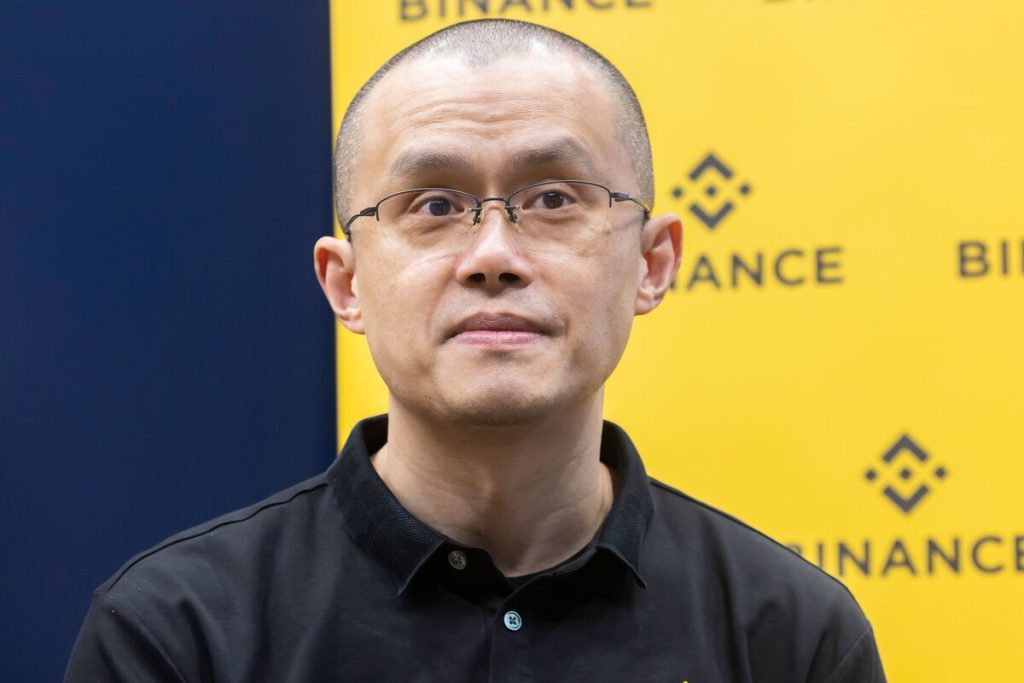
Binance founder Changpeng Zhao (CZ) called for the creation of a common regulatory framework to support the cryptocurrency sector among Southeast Asian countries. Speaking at the 2026 ASEAN Tech Summit in Manila, Philippines, Zhao stated his support for a common “crypto regulatory passport” system applicable to ASEAN countries.
According to CZ, if such a system is implemented, a cryptocurrency license obtained in any ASEAN member country could be recognized by other member countries. This would allow cryptocurrency companies to operate more easily across the region with a single license, instead of applying for licenses separately in each country.
Zhao stated that the current licensing processes and regulatory requirements implemented in different countries are making it difficult for crypto companies to grow. He added that a common licensing mechanism would both reduce companies’ operational costs and accelerate the development of the digital asset sector in Southeast Asia.
ASEAN stands out as a large economic region with a population of approximately 700 million, encompassing Indonesia, Singapore, Malaysia, Thailand, the Philippines, Vietnam, and other member countries. While many countries in the region have continued to develop regulations for blockchain technology and digital assets in recent years, differing licensing regimes among countries pose a significant challenge for the sector.
A common “crypto passport” system could create a structure similar to the passporting system in the European Union, which allows financial institutions to provide services in other member states with a license obtained in one country under certain conditions. It is believed that such a model could contribute to faster regional growth for crypto startups.
Experts say that a common licensing system could offer significant advantages if it provides investor protection, combats money laundering, and harmonizes regulatory oversight standards. However, differences in the economic structures and regulatory priorities of ASEAN countries are among the factors that could make implementing such a system difficult.
*This is not investment advice.