





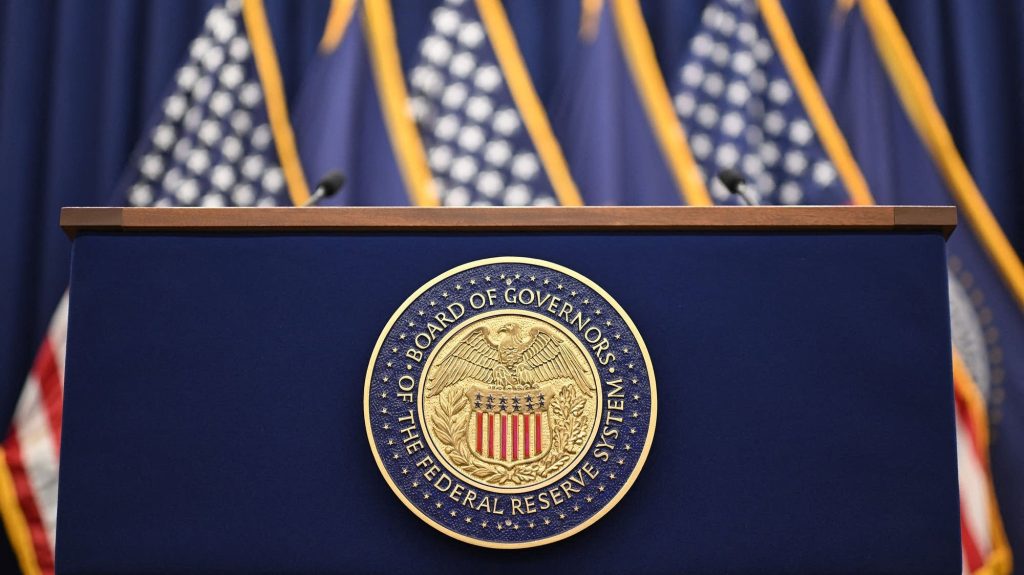
A significant development has occurred in the US regarding cryptocurrency companies’ access to the Fed’s payment infrastructure.
Investment bank TD Cowen predicts that more crypto companies could gain access to FED master accounts this year following Kraken’s approval.
Jaret Seiberg, Managing Director of the TD Cowen Washington Research Group, stated in a note published today that Kraken’s approval could pave the way for similar applications. Seiberg said, “We see this as the first instance of the Fed granting master accounts to crypto companies. Given President Donald Trump’s support for the crypto sector, it was inevitable that crypto companies would gain this access. We expect further announcements in the coming months.”
On Wednesday, Kraken’s banking arm, Kraken Financial, became the first cryptocurrency company to receive access to the Federal Reserve’s core payment systems. The Kansas City Federal Reserve Bank announced it had granted Kraken Financial, which operates under the name Payward Financial, a one-year “limited purpose” master account. This account reportedly includes certain restrictions reflecting the company’s business model and risk profile.
Kraken gained this access thanks to operating as a Special Purpose Depository (SPDI) licensed in the state of Wyoming. According to regulators, these institutions fall into the “Tier 3” category. While this status legally allows them to apply for a master account, it also subjects them to the strictest scrutiny because they are not under the supervision of a federal banking regulator.
According to Seiberg, the Kansas City Fed’s decision shows that Kraken’s application was thoroughly reviewed. However, details regarding the terms of approval are limited. The analyst believes the Fed will restrict Kraken’s access to certain services. For example, the company is expected to be denied access to credit facilities such as overdraft facilities or discount windows, and will not earn interest on its reserves held at the Fed.
Seiberg also pointed out a noteworthy aspect of the Kansas City Fed’s decision. It was striking that this approval was given before the “skinny master account” model, whose formal framework the Fed’s board of governors has not yet finalized. Such accounts were planned to be more easily approved because they would limit access to Fed loan programs and not pay interest on reserves.
On the other hand, the US banking sector is reacting strongly to this development. The Bank Policy Institute, which represents major banks, stated that they are “deeply concerned” that the Kansas City Fed approved a limited-purpose master account application before the Fed board determined its final policy framework.
According to Seiberg, banks will continue to exert legal and political pressure to prevent crypto companies from accessing FED systems. Despite this, TD Cowen believes that in the long run, crypto companies will gain access to master accounts.
The FED had previously rejected a similar application. In 2023, Custodia Bank’s application to become a member of the FED System was denied on the grounds that the company’s proposal did not comply with legal requirements.
*This is not investment advice.