





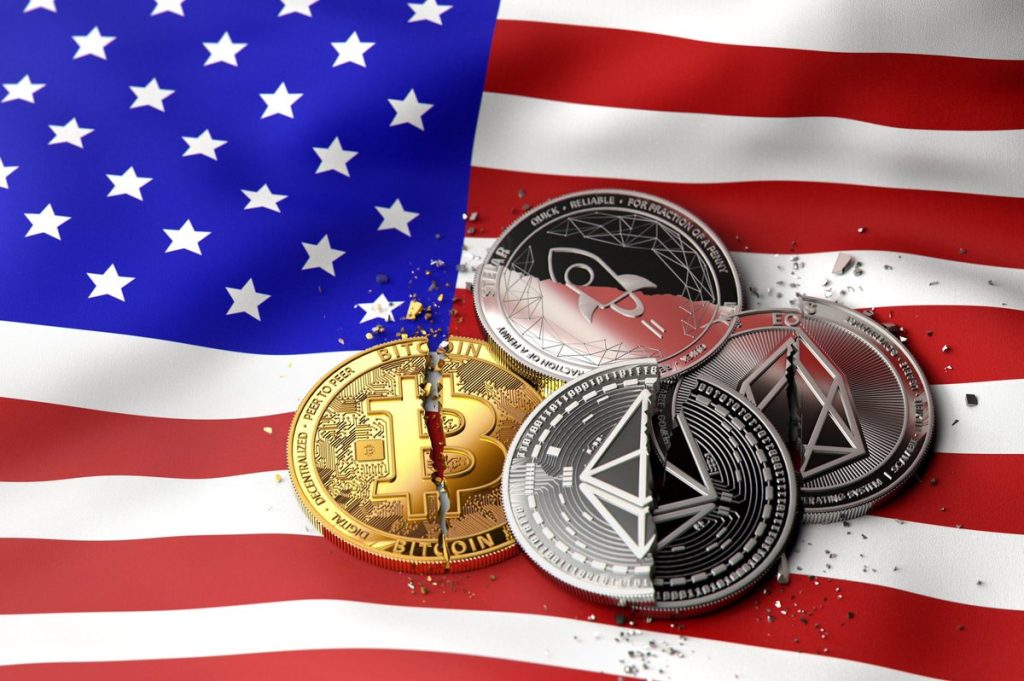
Mike Selig, Chairman of the US Commodity Futures Commission (CFTC), cited Bitcoin (BTC), Ethereum (ETH), Solana (SOL), Stellar (XLM), Tezos (XTZ), and XRP as examples of “digital commodities.” The announcement comes as the CFTC begins drafting its first formal rules for the cryptocurrency market.
According to Wu Blockchain, Selig, while explaining the crypto asset classification jointly developed by the CFTC and the U.S. Securities and Exchange Commission (SEC), presented these six crypto assets as examples of digital commodity categories.
Selig’s remarks are noteworthy in the context of efforts to create a more detailed framework for the regulatory status of crypto assets in the US. The CFTC Chair stated that the institution plans to differentiate between various activities and asset types, rather than classifying the entire crypto market under a single category.
In this context, the CFTC is expected to develop more specific rules for areas such as digital commodities, retail crypto transactions, and physical delivery conducted on the blockchain.
Selig also stated that wallets that do not offer custody services and software developers should be treated separately within the regulatory framework. The aim is to differentiate between organizations that directly hold assets or provide trading services and those that only develop software.
The CFTC’s approach is based on classifying different activities within the crypto ecosystem according to their function, rather than subjecting them to the same regulatory standards.
Selig’s inclusion of BTC, ETH, SOL, XLM, XTZ, and XRP as examples of digital commodities also stands out as a key element of the more detailed crypto asset classification that the institution is preparing.
*This is not investment advice.


Not sure about your trading skills and want to learn how crypto market trading works? I can guide you step by step, helping you build a better understanding of the market and make informed trading decisions.
If you’re interested in learning more about crypto trading, feel free to contact me for guidance and support.
MY TELEGRAM 👉( TudorJones)…..
MY WHATSAPP 👉 (+1 3049873290)