





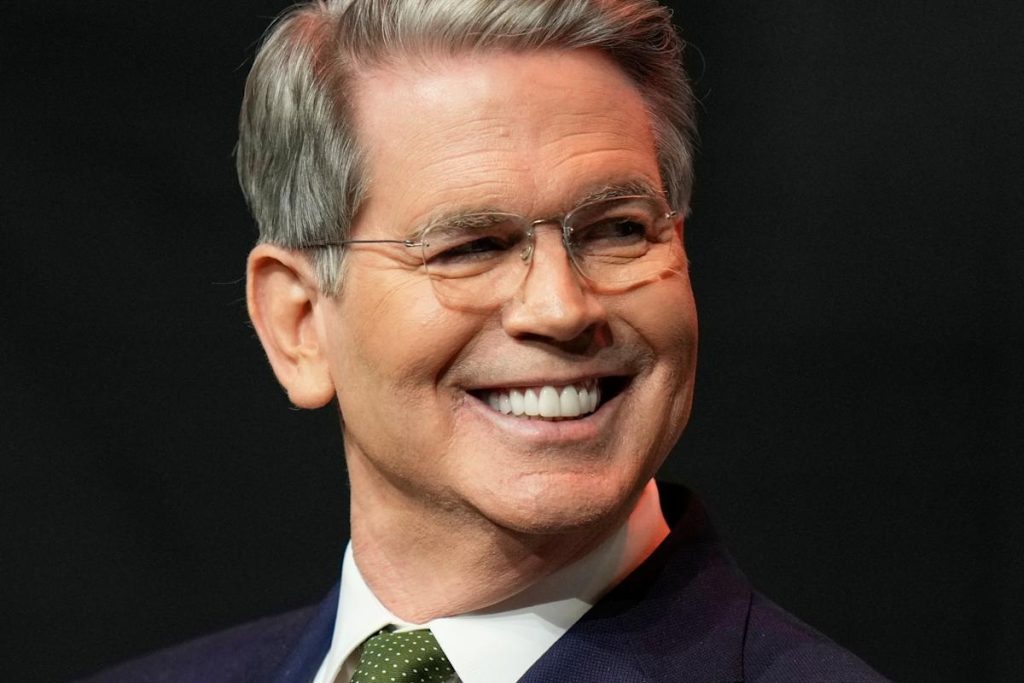
U.S. Treasury Secretary Scott Bessent avoided directly answering questions about whether approximately $134 billion in tariff revenue would be refunded after the U.S. Supreme Court overturned most of the broad tariffs implemented during President Donald Trump’s administration.
Speaking on Dana Bash’s “State of the Union” program on CNN, Bessent was asked, “Will the approximately $134 billion collected under these emergency tariffs be refunded?” However, Bessent argued that this was not the “real issue,” saying that the Supreme Court’s decision involved a narrow interpretation of the President’s powers.
Bessent stated that the court’s decision specifically addressed the use of powers under the International Emergency Economic Powers Act (IEEPA), but that the administration still retains other tariff powers, such as those under Sections 232 and 301. He noted that the court did not directly address the restitution issue, that the case was sent back to a lower court, and that a final decision could take weeks or months.
When Dana Bash reminded Bessent that the federal government had previously committed to refunding tariffs if they were found to be “illegal,” Bessent argued that the decision to refund was not at the discretion of the administration. “This is not a decision for the administration to make, but for a lower court,” Bessent said, reiterating that the responsibility lay with the judicial process.
The U.S. Supreme Court, in a 6-3 decision on Friday, found that the Trump administration’s broad interpretation of the IEEPA (Enforcement and Protection Act), which allowed it to impose tariffs on nearly all countries, was unlawful. The law, enacted in the 1970s, grants the president the authority to regulate imports in the event of an “extraordinary and unusual” national threat. However, the Court concluded that the Trump administration had excessively broadened the scope of this authority.
*This is not investment advice.