






Goldfinch, a cryptocurrency lending project, faced a serious crisis due to increasing defaults and restructurings in its loan program targeting Africa and emerging markets.
The project, backed by prominent investors such as a16z and Coinbase Ventures, was once cited as one of the most notable examples of how decentralized finance could increase financial inclusion in developing countries.
However, recent developments have raised questions about the sustainability of this model. According to sources close to the project and some depositors, two of the approximately eight borrowers in Goldfinch’s loan portfolio have defaulted, and the remaining six have entered a restructuring process. Accumulated losses and impairment provisions are said to exceed tens of millions of dollars.
Goldfinch’s native token, GFI, also experienced a sharp decline in value during this period. The token’s price fell by approximately 99.8% from its peak, while its market capitalization dropped from a peak of around $390 million to below $6 million.
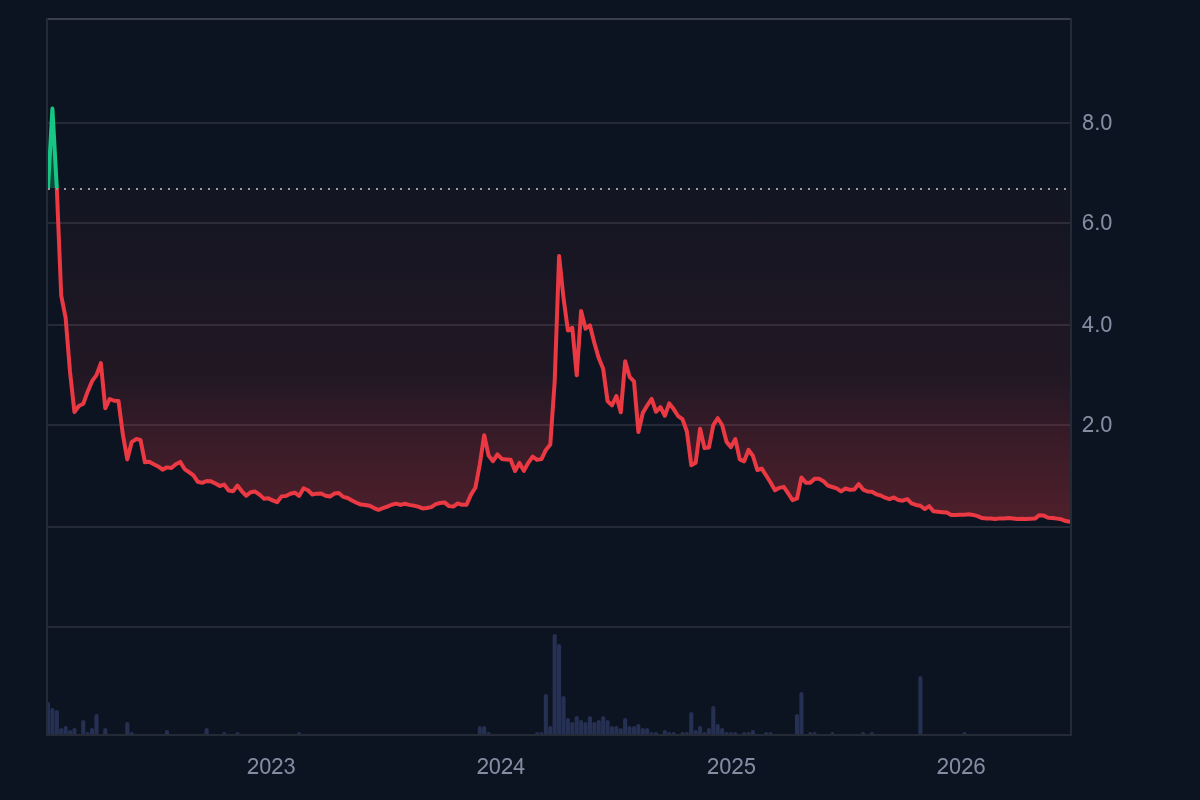
Launched in 2021, Goldfinch aimed to provide decentralized lending to financial and consumer credit companies, particularly in Africa and other emerging markets. The project attracted attention in its initial phase by reaching a loan volume of over $100 million.
However, over time, a deterioration in underlying credit quality increased the risks on the platform. Problems with borrowers such as Kenya-based motorcycle financing company Tugende Kenya and Southeast Asia-linked Lend East led to lower-than-expected collection rates for some funds. It is stated that the total amount of unpaid debts and impairment losses exceeds $18 million.
With risks increasing, liquidity providers reportedly withdrew from pools, and the decline in the GFI token accelerated after 2022. The general weakness in the crypto market also increased pressure on the token.
The Goldfinch team later shifted its strategy, moving from a narrative of “providing financing to populations in Africa that lack access to banking services” to a model focused more on institutional credit markets. This included collaborations with traditional financial institutions such as Ares and Apollo.
Previously, similar projects such as Akon’s crypto city project in Africa and Cardano’s education initiative in Ethiopia had also been criticized for failing to reach the expected scale.
*This is not investment advice.