





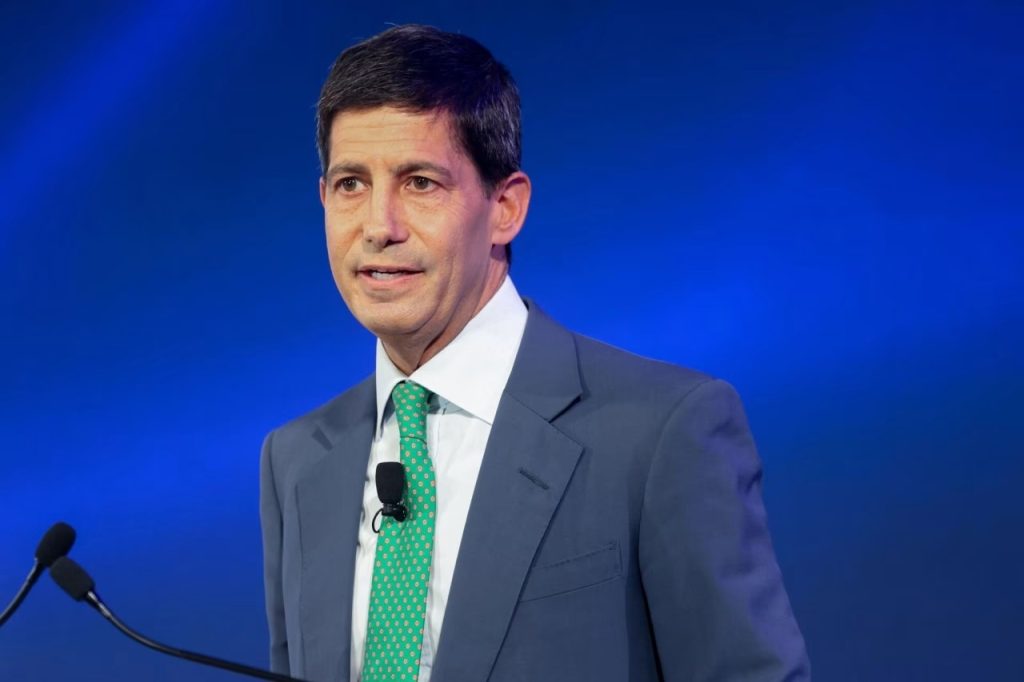
A critical development closely related to the future of monetary policy in the US has occurred. Kevin Warsh, nominated by President Donald Trump to head the Federal Reserve, has been approved by the Senate Banking Committee.
In the committee vote, Warsh’s nomination was approved by a vote of 13 to 11. This result brings Warsh one step closer to taking office before current chairman Jerome Powell’s term ends on May 15th. The next step is for the nomination to be sent to the Senate floor for final confirmation.
The nomination process unfolded amidst political tensions. Republican Senator Thom Tillis had previously blocked Warsh’s nomination. However, this obstacle was removed and the process gained momentum again after the Justice Department temporarily dropped its criminal investigation into the Federal Reserve’s Washington headquarters renovation costs.
It is believed that if Warsh takes office, the Fed could experience one of the most comprehensive transformations in recent years. During his nomination process, Warsh advocated for what he described as a “regime change,” aiming to shrink the Fed’s balance sheet of approximately $6.7 trillion, create a new framework for inflation management, and change the way the institution communicates with the public. However, he did not offer a detailed roadmap on how these goals would be achieved.
On the other hand, the voting process also underscored political polarization. According to Nick Timiraos, Warsh’s nomination was approved entirely along partisan lines in the Senate Banking Committee and received no support from any Democratic senator. Democratic Senator Raphael Warnock, however, reacted negatively to the process, stating that he found Warsh’s written answers to the questions inadequate.
This development also revealed a rare scenario in FED chairmanship nominations. Before 2020, it was considered quite exceptional for FED chairman nominations to be voted on along party lines, with Jerome Powell’s previous two nominations receiving broad support of 22-1 and 23-1. Warsh’s nomination, however, is proceeding with a significant political divide, in contrast to this tradition.
*This is not investment advice.