





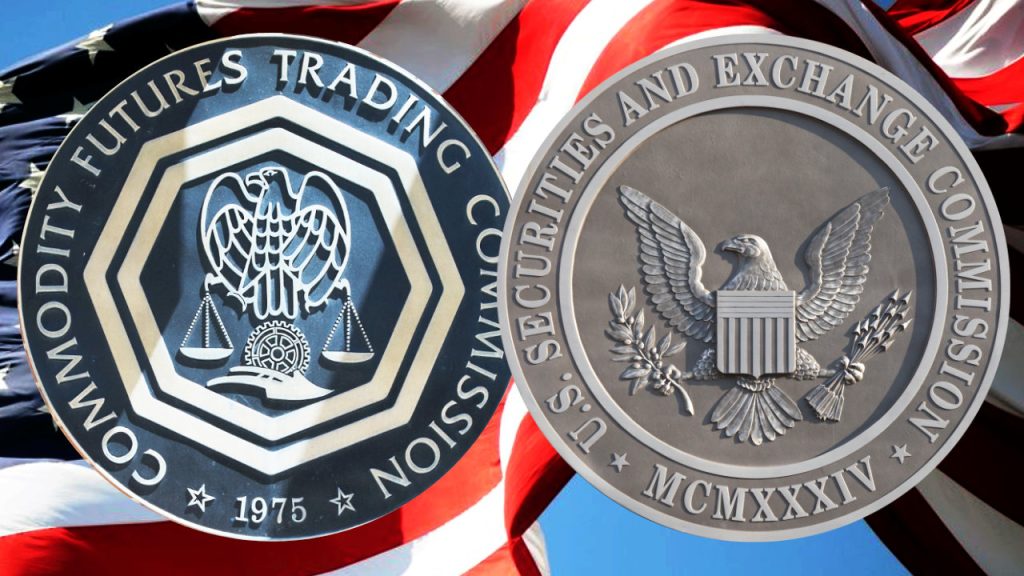
A new step is being taken in the regulatory approach towards cryptocurrencies under US President Donald Trump. Following the unexpected suspension of the Clarity Act in the Senate, US regulators are preparing to implement rules within their existing authorities to support the growth of the crypto sector.
In a joint interview with The Wall Street Journal, U.S. Securities and Exchange Commission (SEC) Chairman Paul Atkins and Commodity Futures Trading Commission (CFTC) Chairman Michael Selig stated their readiness to cooperate on cryptocurrency regulation. The two agencies are expected to sign a memorandum of understanding (MoU) to clarify areas of oversight in the crypto market.
Atkins stated that long-term regulatory compliance was preferred, adding, “I expect the legislation to pass this year, but we can also proceed with our current powers.” Regulators indicated that the rules to be issued would be consistent with future legislation.
The delay of the Clarity Act has increased uncertainty in the crypto and banking sectors. The bill, scheduled to be considered by a Senate committee, was postponed after Coinbase, the largest crypto exchange in the US, withdrew its support due to a dispute with banks over stablecoin rewards. Coinbase CEO Brian Armstrong’s objection led to the bill being shelved in the short term.
Under the new approach, the SEC plans to focus on tokenized securities, while the CFTC will oversee digital assets and commodity-like crypto assets. Selig stated, “We need to establish a clear classification and stay within our respective domains regarding enforcement,” while Atkins added, “We aim to ensure that no asset is left in limbo.”
This approach differs from the tough stance taken during the Biden administration. Former SEC Chairman Gary Gensler primarily regulated the crypto sector through sanctions. The new leaders also expressed the view that the increased pressure following the FTX crash in 2022 drove some companies out of the US.
Atkins and Selig, on the other hand, adopt a more “innovation-friendly” approach. Atkins stated that “innovation exemptions” could be granted to the sector to allow new tokens and technologies to be brought to market faster. He commented, “People want clarity; uncertainty is the biggest enemy of innovation.”
*This is not investment advice.