





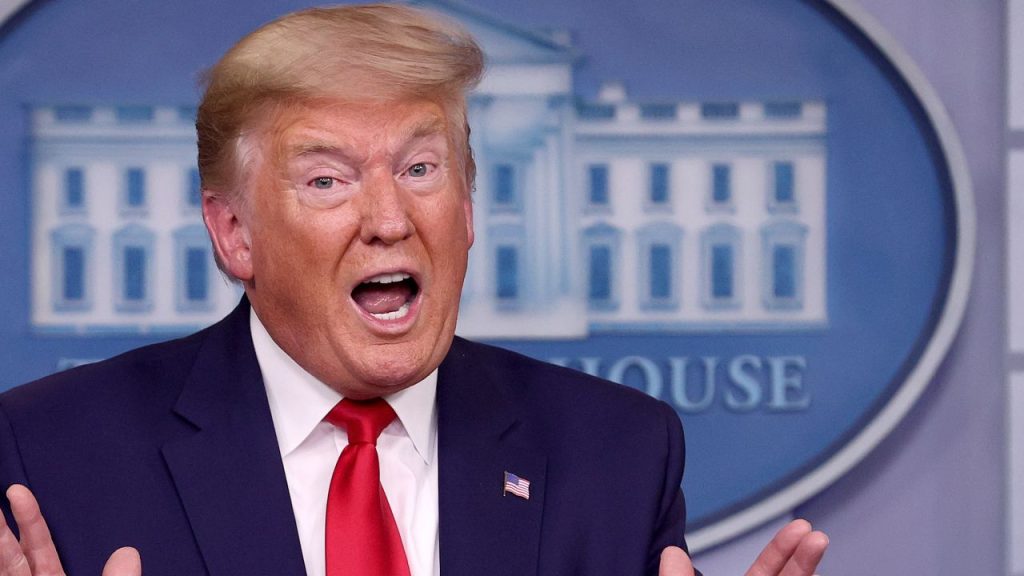
Bitcoin rose in line with the global market recovery after US President Donald Trump hinted that the war against Iran could soon end.
Bitcoin surged as much as 3.4% in New York trading, reaching $69,523. This rise in Bitcoin was mirrored by other major altcoins such as Ethereum and Solana. In a phone interview with CBS News, Trump stated that the operation against Iran was progressing faster than planned. This statement, coming on the tenth day of the Iran war, emerged amid increasing economic pressure as oil prices surged above $100.
The war with Iran had caused significant fluctuations in global markets. In particular, the near-halt of tanker traffic in the Strait of Hormuz, one of the world’s most important energy transit points, increased concerns about global oil supply and created uncertainty in the markets.
Joshua Lim, co-head of global marketing at FalconX, said that Bitcoin’s strong price performance is partly due to continued buying by investors of digital asset treasures. Lim also noted that the “de-grossing” effect, caused by some participants in traditional financial markets closing their short positions in Bitcoin, also supported the rise.
Bitcoin’s outperforming of stocks earlier in the day, coupled with the sharp rise in oil prices, has led some investors to reconsider cryptocurrency as a potential inflation hedge. According to Jake Ostrovskis, head of over-the-counter trading at Wintermute, the oil rally and the resulting inflation concerns have brought Bitcoin’s role as an “inflation hedge” back into focus. Ostrovskis stated, “What’s really remarkable is not the macroeconomic environment, but rather Bitcoin’s ability to remain strong and rise at a time when most investors were expecting a decline.”
FxPro’s chief market analyst, Alex Kuptsikevich, noted that volatility in the cryptocurrency market decreased significantly in the second half of the week compared to traditional financial markets. According to Kuptsikevich, cryptocurrencies didn’t fully become a safe haven during this period, but found a temporary equilibrium between opposing market forces.
*This is not investment advice.