





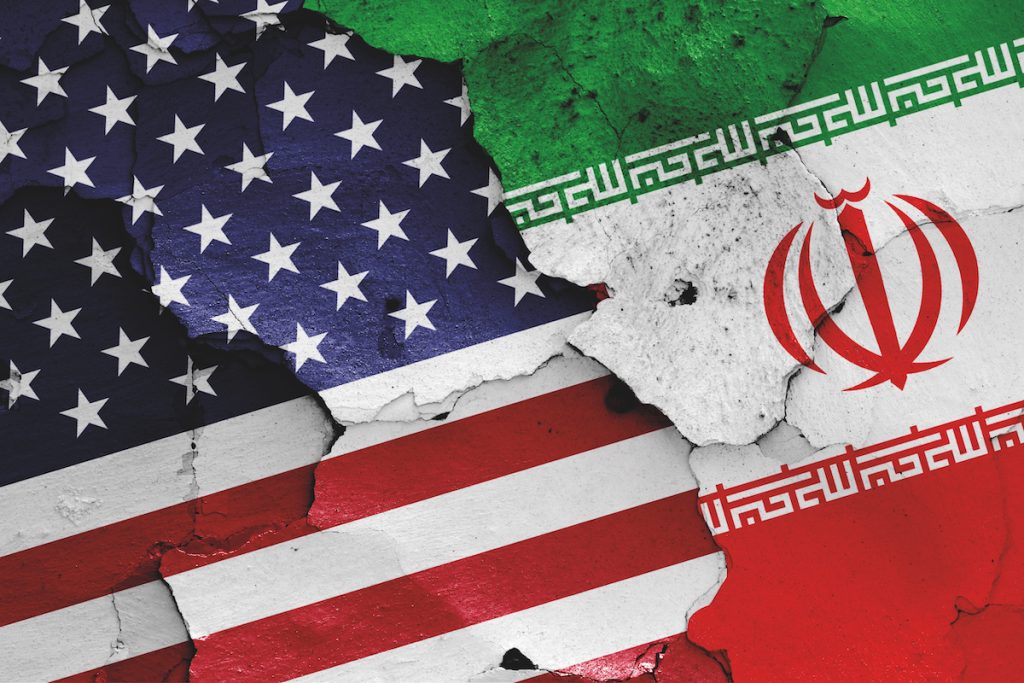
The escalation of tensions between the US and Iran over the weekend increased uncertainty in the markets.
Bitcoin has stabilized after an initial sell-off over the weekend linked to Middle East tensions, while investors continue to monitor and assess the impact on global energy markets.
The US and Israeli attack on Iran and the blockade of the Strait of Hormuz have driven international oil and gold prices up amid fears of supply disruptions and inflation risks.
Speaking to Decrypt, Ryan McMillin, chief investment officer at Merkle Tree Capital, stated that the initial sell-off in Bitcoin following the active conflict between the US and Iran was to be expected.
According to the analyst, Bitcoin and the markets hate uncertainty more than bad news.
“At this point, as soon as the US-Iran conflict appeared to be under control, reflexive buying demand quickly returned and Bitcoin recovered.”
The analyst also noted that the Fear and Greed index was at the 10-extreme fear level and that Bitcoin futures funding rates had fallen to -6%.
According to the analyst, this situation shows that investors taking short positions are paying a significant premium to protect against the downtrend, a situation not seen since Bitcoin traded at $16,000 in 2022.
“The market, the data, and short traders are automatically paying you to take long positions. It’s time to go long.”
Apollo Crypto research head Pratik Kala stated that the tensions in the Middle East have largely already impacted the Bitcoin price, adding that further sharp declines are unlikely.
“If Bitcoin were supposed to fall, it would have fallen by now. CME futures have also opened, and if Bitcoin were supposed to fall or follow stocks, it would have fallen by now.”
However, the analyst said that if oil prices remain high, it would create a risk of higher inflation. This would be negative for risky assets and Bitcoin, but added that he did not think this would be the base scenario.
*This is not investment advice.