





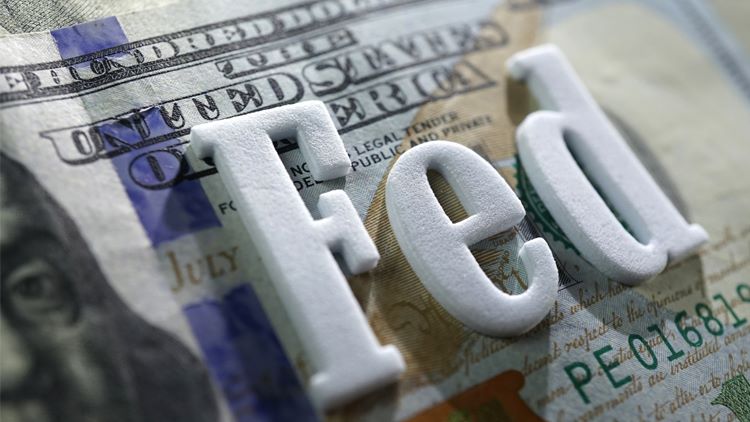
Kraken Financial, the Wyoming-based bank of the cryptocurrency exchange Kraken, has made history by receiving approval from the FED for a “skinny” (restricted) master account.
Experts describe the outcome of this 5.5-year battle as a “historic turning point” for the crypto industry.
In a special episode of the Unchained podcast’s “DEX in the City” team, legal and crypto experts discuss what it means for Kraken to have direct access to the FED system.
Speaking at the event, Vyle, the General Counsel (GC) of a company that provides vaults for Kraken’s DeFi products, emphasized the significance of this development with the following words:
“A Fed master account is like the ‘installation’ of the U.S. financial system. If you have this account, you can hold your reserves directly with the Fed and conduct transactions via FedWire without needing an intermediary bank. This is a revolutionary change that eliminates counterparty risk and makes the system much more efficient.”
Kraken’s verification, unlike a fully authorized bank account, has a “skinny” (restricted) status. Vyle summarized the limitations this status imposes as follows:
- Kraken will not be able to access emergency loans through the Fed’s “discount window”.
- The FED will not be able to earn interest income from the reserves it holds.
- The approval is not permanent for now; it is structured as a one-year pilot program.
Speakers noted that Kraken has been waiting for this approval since 2020 and discussed why the process has taken so long. Vyle pointed out the difference between Kraken and Custodia Bank, which made a similar application but was rejected:
“Custodia sued the FED after its application was rejected and lost. Kraken, on the other hand, took a quieter approach. Furthermore, Kraken’s preparations for an IPO and its perception as a larger representative may have made the FED find this ‘experiment’ with them less risky.”
The development was met with significant backlash and reaction within the traditional banking sector. Jessi Brooks, another member of the program, explained why banks opposed it as follows:
“Banks are furious because they fear cryptocurrency companies will enter their business space with faster, more efficient, and cheaper mechanisms. The Bank Policy Institute (BPI) argues that these approvals were not procedurally correct and plans to file a lawsuit.”
Jesse also argued that while there’s some merit to the banks’ argument that “crypto companies shouldn’t take shortcuts into regulated spaces,” the 5.5-year review process proves Kraken didn’t use any “shortcuts.”
This approval strengthens the bridge between the cryptocurrency industry and traditional finance (TradFi), and it is stated that such approval from the FED gives the sector unprecedented “regulatory credibility.” Experts argue that this step is a major institutional “unlock” that opens the door for other crypto companies as well.
*This is not investment advice.