





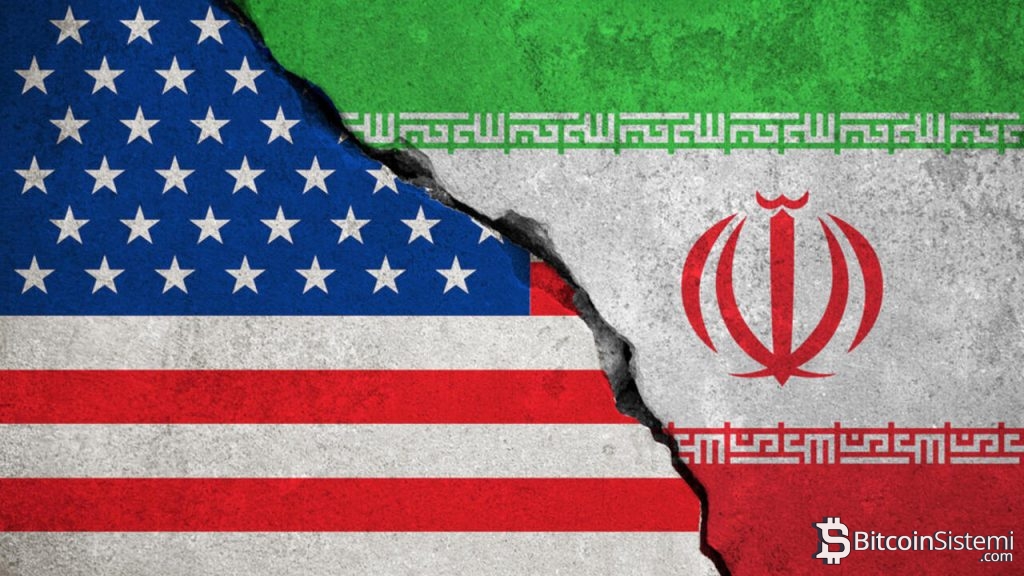
A new development has occurred in diplomatic talks between the US and Iran. It is reported that Iran’s response to the 15-point peace framework presented by the Donald Trump administration is expected today.
Sources close to the matter said that Iran’s counter-offer would be conveyed through intermediary countries, but that no official response had been received at the time of publication.
White House officials expressed cautious optimism about the talks, noting that signals of progress were increasing. U.S. Special Envoy for the Middle East, Steve Witkoff, announced that the proposed 15-point plan had been conveyed to Iran via Pakistan. Regional sources added that Pakistan was able to contact not only the Iranian Foreign Ministry but also directly the Iranian security apparatus.
Among those conducting negotiations on the US side are Secretary of State Marco Rubio, Vice President JD Vance, and Trump’s son-in-law Jared Kushner. Rubio stated that the exchange of messages continues through “intermediary countries” and that “concrete progress” has been made. He also considered the increase in energy flow through the Strait of Hormuz as a positive sign.
White House spokeswoman Karoline Leavitt, in a statement, emphasized the sensitivity of the talks and added that the U.S. would not conduct negotiations through the media. The statement also noted that military operations were continuing while diplomatic contacts were underway.
The Iranian side, however, refrained from making an official comment on the process. The Iranian representation to the United Nations stated that it would not comment on active diplomacy. Meanwhile, Trump claimed that Iran had “agreed” not to develop nuclear weapons, while the Tehran administration reiterated, as in the past, that it had no nuclear weapons ambitions.
Diplomatic activity in the region has also intensified. It is reported that several countries, including Turkey, have contacted Iranian Foreign Minister Abbas Aragchi to initiate negotiations. Furthermore, it has been stated that the head of the International Atomic Energy Agency, Rafael Grossi, is in contact with both the US and Iranian sides.
*This is not investment advice.