





SummaryShowHideCoinbase said it blocked an approximately $4.7 million transfer to a fake cryptocurrency campaign using an AI-generated...
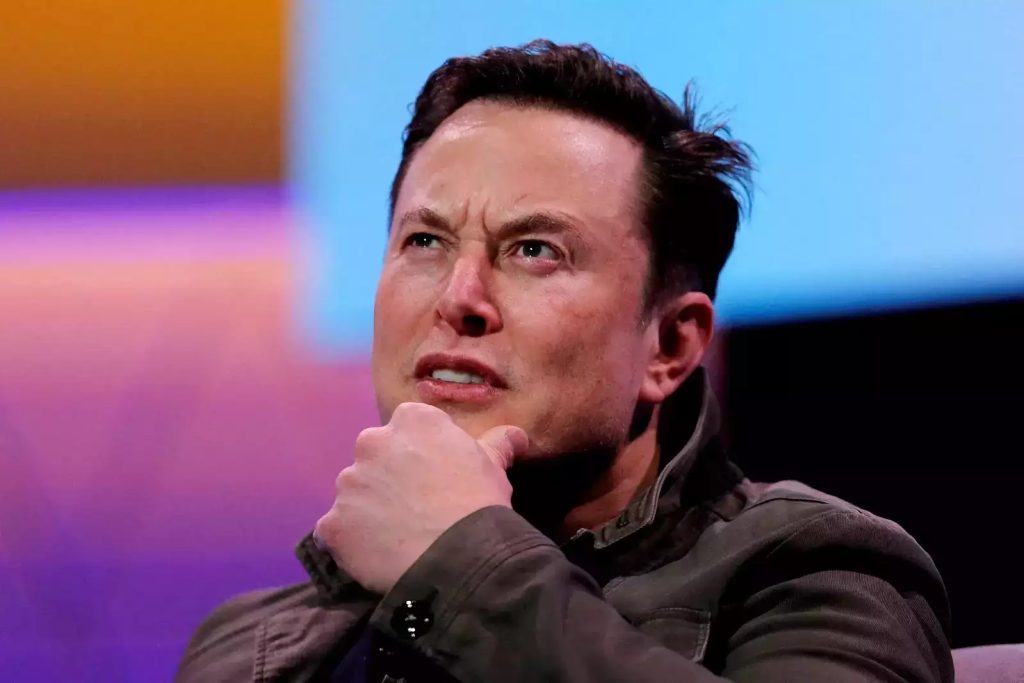
- Coinbase said it blocked an approximately $4.7 million transfer to a fake cryptocurrency campaign using an AI-generated image of Elon Musk.
- Coinbase said over 500,000 people watched the fake Tesla-event broadcast, and hundreds of its users attempted transfers within approximately two hours of the stream starting.
- Coinbase said its AI-powered security system blocks approximately 91 percent of suspicious transactions in real time; users approved the attempted transfers themselves, and their accounts had not been compromised.
Scammers used an AI-generated image of Elon Musk in a live stream mimicking a Tesla event. Coinbase halted approximately 91% of the transactions.
Coinbase announced it blocked a transfer of approximately $4.7 million intended for a fake cryptocurrency campaign using a deepfake image of Elon Musk. The scammers reportedly created a YouTube video mimicking Tesla’s “flying car” event from last month.

The fake broadcast was designed to resemble official Tesla images, displaying cryptocurrency addresses and QR codes on the screen. Using an AI-generated image of Elon Musk, it claimed that cryptocurrencies sent to the specified addresses would be returned in double the amount. According to Coinbase, over 500,000 people watched the broadcast.
Within approximately two hours of the live stream beginning, hundreds of Coinbase users attempted to transfer millions of dollars to the addresses displayed on the screen. The crucial detail here was that the user accounts hadn’t been compromised. Passwords weren’t stolen, nor was there unauthorized access to the platform’s systems. Users, believing the campaign they saw to be legitimate, approved the transactions themselves.
Coinbase reported that its AI-powered security system analyzes transactions in real time and blocks approximately 91 percent of suspicious transactions without human intervention. The system evaluates indicators such as promises of quick profits, imitation of a well-known brand, newly created wallets, and pressure indicating that the campaign will end soon.
When the suspicious transaction was detected, a dedicated security tool reportedly explained the fraudulent method to the user and asked questions questioning the rationale behind the transaction. Although the system had not been previously trained with this specific Tesla scenario, it was able to recognize the general structure of the fraud.
The incident once again demonstrated that deepfake broadcasts featuring images of well-known figures should not be trusted, and that offers to “get double what you send” should absolutely not be taken as genuine.
*This is not investment advice.