





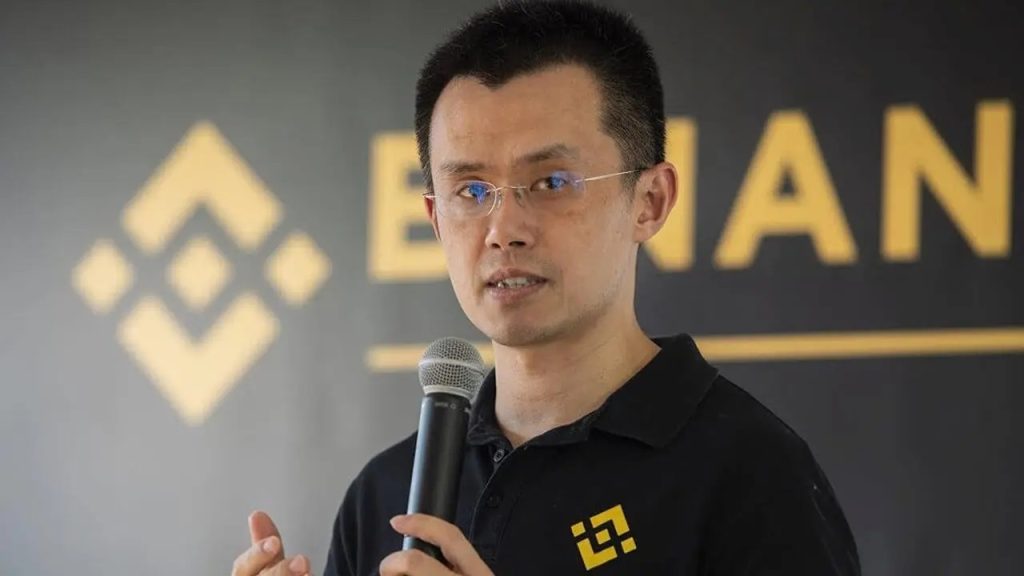
Binance founder Changpeng Zhao (CZ) said that some of the speculative capital directed towards the artificial intelligence (AI) sector is beginning to return to the cryptocurrency market. Zhao’s assessment points to a recent trend of investors rotating capital among different high-risk asset classes.
CZ stated that some of the “hot money” flowing into the AI field is returning to the crypto market. It is believed that speculative capital, moving quickly with the expectation of high returns, can switch between AI and crypto assets depending on market conditions.
Zhao also stated that the financial sector will not disappear. He noted that both humans and AI systems will continue to use money, arguing that financial services will remain a fundamental part of the economic system in the future.
In recent years, artificial intelligence companies and related technologies have attracted significant investor interest. In particular, the increased AI investments by large technology companies and the rapid increase in value of AI-focused startups have led to a significant portion of capital flowing into this field.
However, the cryptocurrency market has also begun to attract capital again, driven by increasing interest from institutional investors, the proliferation of spot ETF products, and regulatory developments. CZ’s statement suggests that shifts in investor risk appetite could affect capital flows between the two sectors.
The influx of speculative capital into cryptocurrencies could increase buying pressure, particularly on Bitcoin and other highly liquid digital assets. However, such capital movements can also increase market volatility.
Another point that stood out in Zhao’s assessment was the impact of artificial intelligence on the financial sector. CZ believes that instead of eliminating the financial system, AI technology will contribute to the creation of a new structure where people and technology will continue to use money.
In the crypto market, investors’ capital preferences in the coming period may be shaped by developments in the AI sector, global liquidity conditions, and risk appetite.
*This is not investment advice.